Comparisons
Hair Oil vs Hair Serum: What Is the Difference and Which Do You Need?
By the MERU Hair Care team · Updated · 4 min read
Short answer
Hair oil is a pre-wash treatment that nourishes the scalp and softens hair; you massage it in and wash it out. Hair serum is a finishing product applied after washing to control frizz and add shine; you leave it in. They do different jobs, so most people benefit from both.
Side-by-side comparison
| Hair oil | Hair serum | |
|---|---|---|
| Main job | Nourish scalp, soften hair, reduce breakage | Control frizz, add shine, smooth the surface |
| When | Before washing | After washing, or on dry hair |
| Where | Scalp and lengths | Mid-lengths and ends only |
| Rinse? | Yes, wash out | No, leave in |
| How often | 2 to 3 times a week | Daily or as needed |
| Amount | A few teaspoons | 1 to 2 pumps |
| Feel | Rich | Light, non-greasy |
When to choose oil
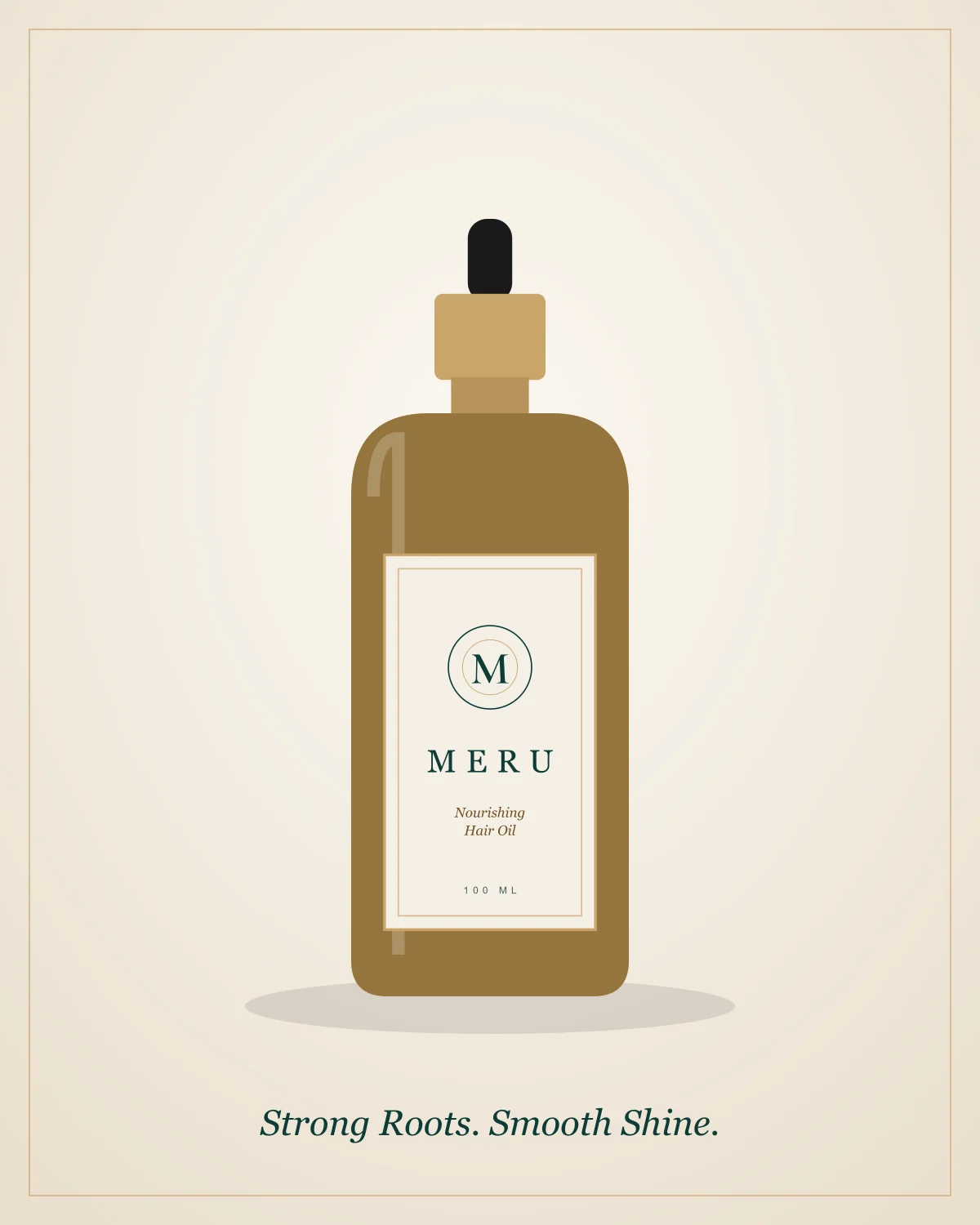
Choose oil if your main concern is hair fall from breakage, a dry scalp, or rough, brittle lengths. MERU Nourishing Hair Oil is a lightweight blend made for regular pre-wash massage.
When to choose serum
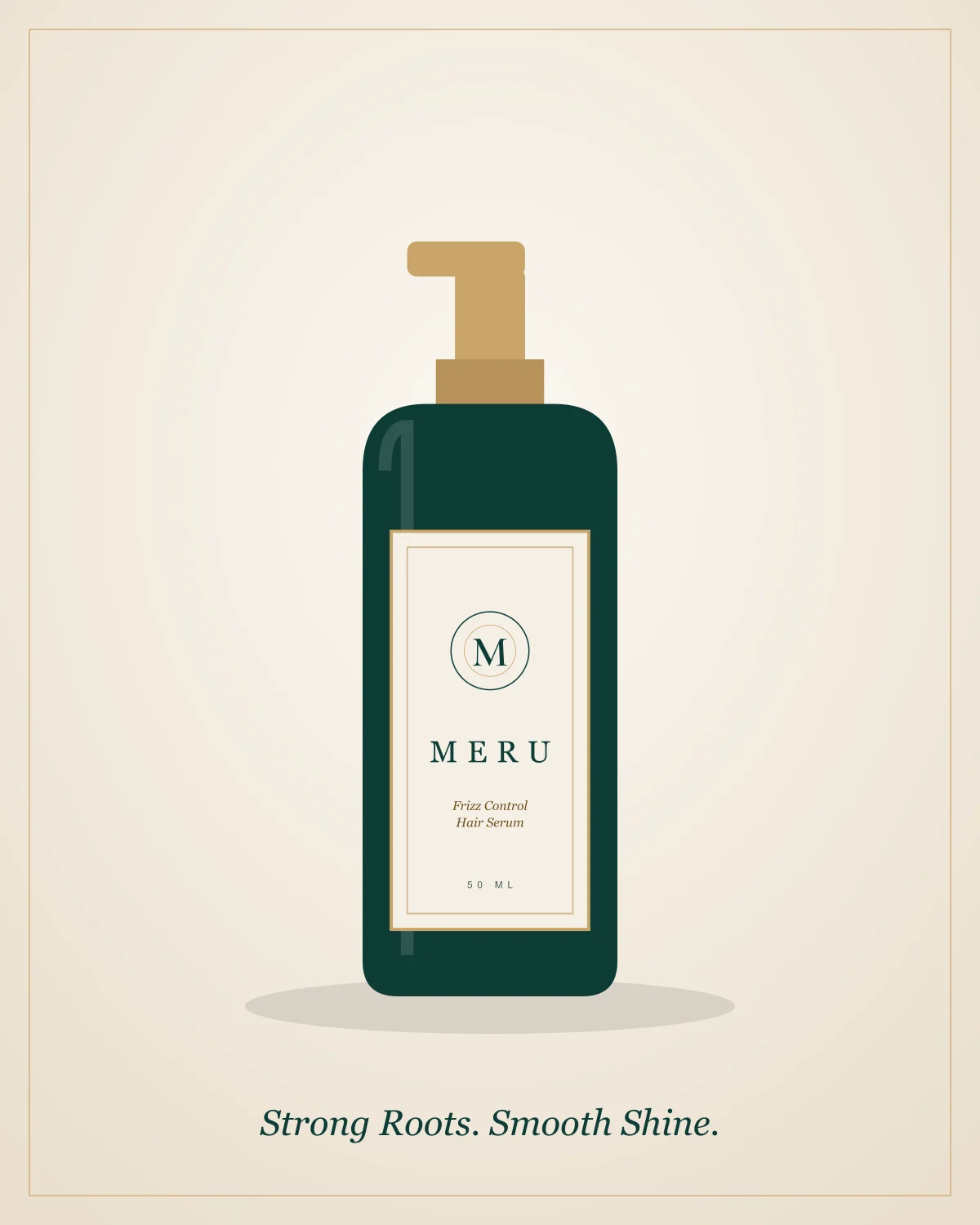
Choose serum if your main concern is frizz, flyaways, dullness or tangles after washing. MERU Frizz Control Hair Serum smooths hair in seconds and helps it resist humidity.
Can you use both?
Yes, and they work well together. Oil before washing to nourish. Serum after washing to finish. The oil is washed out, so the two never sit on the hair at the same time.
One thing to avoid: do not use hair oil as a leave-in on dry hair in summer. It attracts dust and makes hair look greasy. That job belongs to serum.
Frequently asked questions
Can I use hair serum instead of oil?
Not really. Serum smooths the surface of the hair but does not replace a scalp massage with oil. They do different things.
Can I apply serum on the scalp?
No. Serum is for the lengths and ends. On the scalp it can make roots look greasy.
Which is better for frizz, oil or serum?
Serum. It is lighter, non-greasy and designed to be left in the hair to block humidity.
This guide is general hair care information, not medical advice. For sudden, patchy or persistent hair loss or scalp problems, please see a dermatologist.