Seasonal
Monsoon Hair Care in Pakistan: Keep Hair Healthy in the Rainy Season
By the MERU Hair Care team · Updated · 4 min read
Short answer
In monsoon, wash your scalp more often with a gentle shampoo, dry your hair fully after getting wet in the rain, oil lightly and for shorter periods, and use a leave-in conditioner and serum to control humidity frizz.
What monsoon does to hair
From July to September, humidity across Punjab, Sindh and KP is high. The scalp stays damp with sweat, which can lead to itching, odour and flaking. At the same time, the lengths absorb moisture from the air and turn frizzy. Many people notice more hair fall in these months; a damp, irritated scalp and weak, swollen strands are usually why.
Your monsoon routine
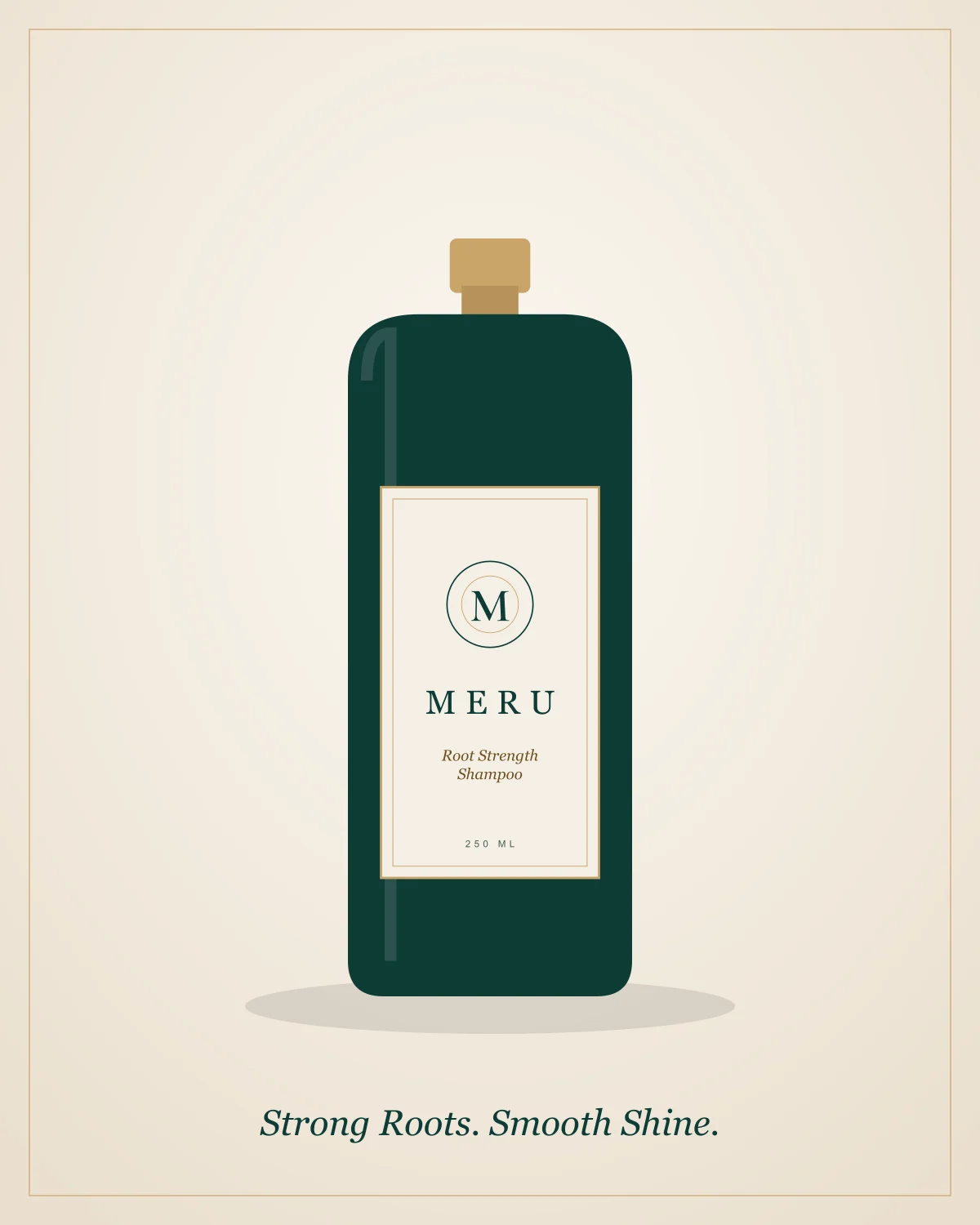
- Wash a little more often. Use MERU Root Strength Shampoo every second day if your scalp feels sticky.
- If you get caught in the rain, rinse and dry your hair when you get home. Rainwater mixed with city dust is not clean.
- Never tie up or sleep on wet hair. Dry the roots first.
- Keep oiling, but lighter and shorter: a small amount of hair oil for one hour, once or twice a week.
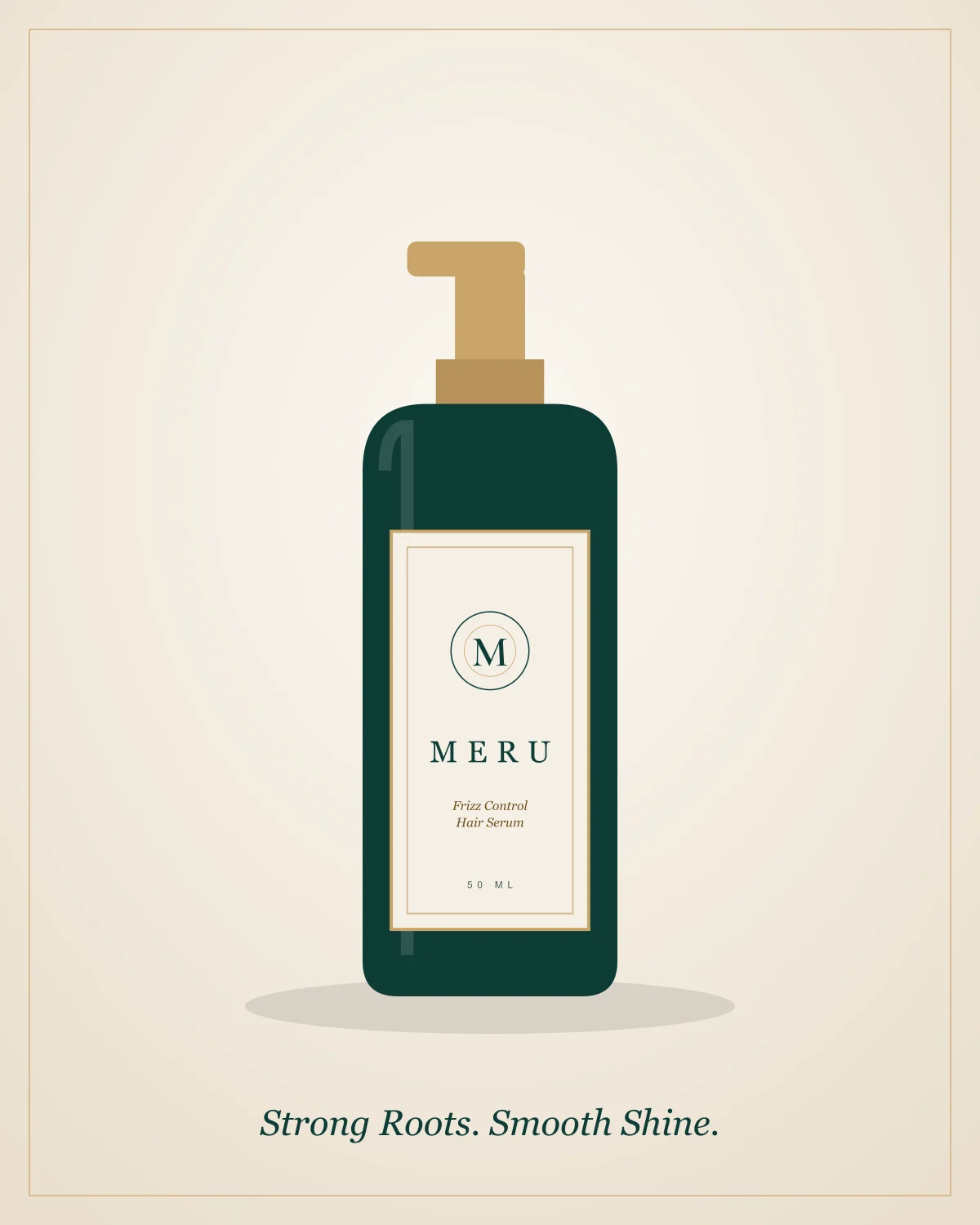
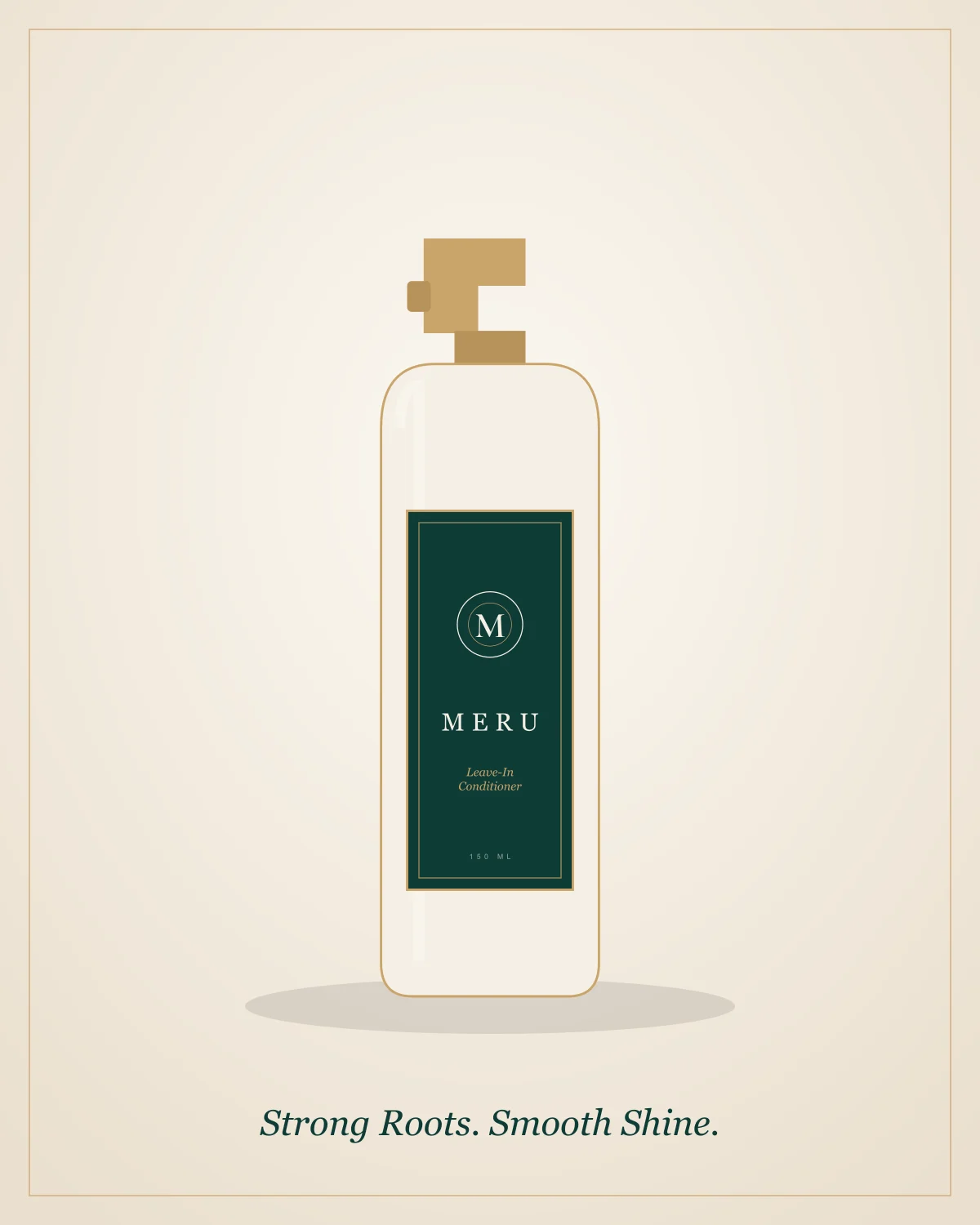
- Control frizz with leave-in conditioner and serum on the lengths.
- Wash combs, brushes and pillowcases weekly.
Frequently asked questions
Why does hair fall increase in monsoon?
High humidity keeps the scalp damp and makes hair swell and weaken, so more of it breaks. Keeping the scalp clean and dry helps.
Should I oil my hair in the rainy season?
Yes, but use less and wash it out within an hour or two. Heavy overnight oiling on a damp scalp can cause itching.
How do I stop frizz in monsoon?
Moisturise with a leave-in conditioner and seal with serum. Avoid brushing dry hair.
This guide is general hair care information, not medical advice. For sudden, patchy or persistent hair loss or scalp problems, please see a dermatologist.