Seasonal
Winter Hair Care: How to Fix a Dry Scalp and Static, Rough Hair
By the MERU Hair Care team · Updated · 4 min read
Short answer
In winter, wash with lukewarm rather than hot water, oil more often (2 to 3 times a week), reduce how often you shampoo, and use leave-in conditioner after every wash to prevent a dry scalp and rough, static hair.
Why winter dries hair out
Winter air in Lahore, Islamabad, Peshawar and the north is cold and dry. Add hot showers, heaters and woollen caps, and both scalp and hair lose moisture. The signs are a tight, flaky scalp, rough ends and hair that crackles with static.
Your winter routine
- Turn the water temperature down. Lukewarm is enough to clean hair.
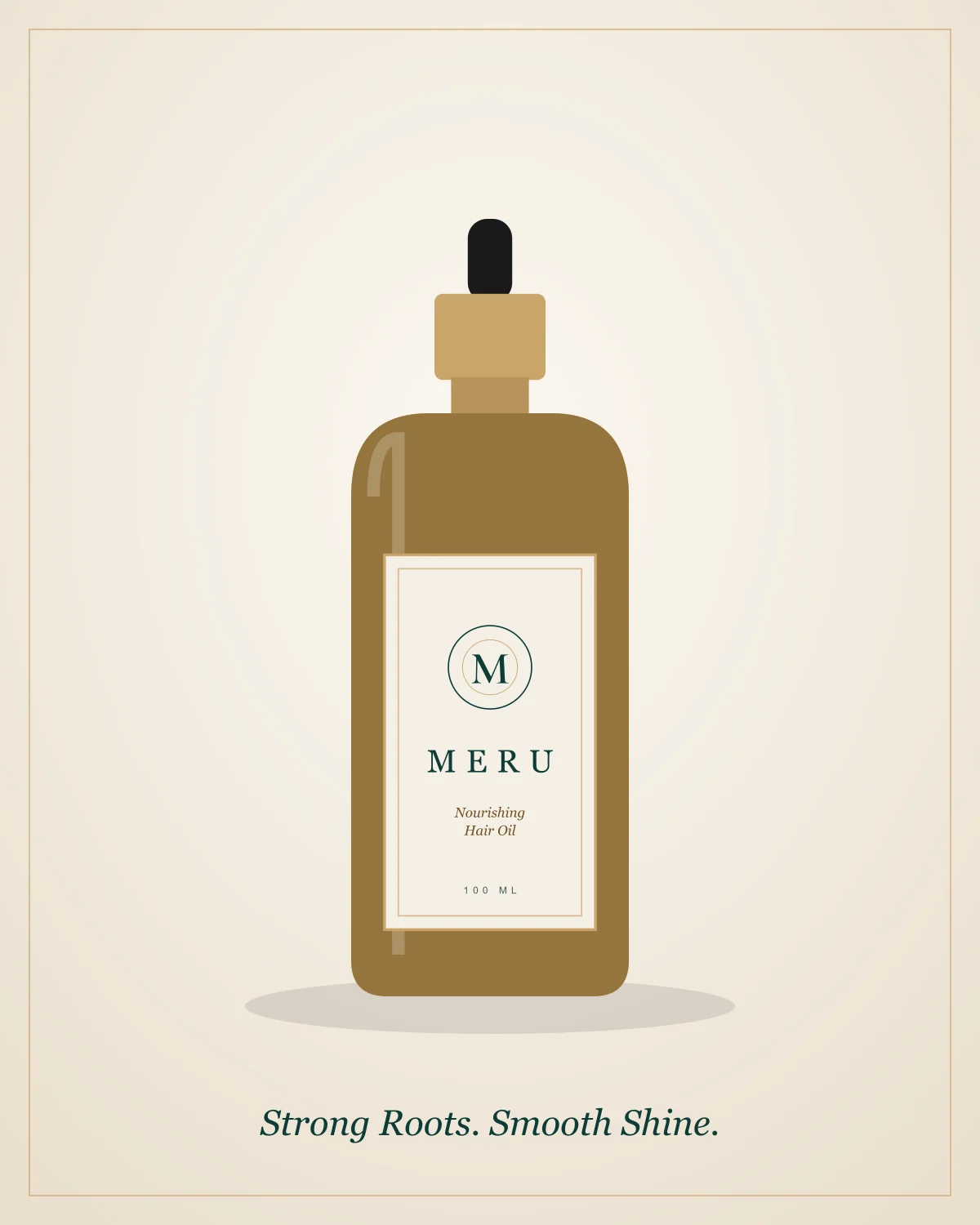
- Oil 2 to 3 times a week. Warm a little MERU Nourishing Hair Oil between your palms and massage it into the scalp.
- Shampoo slightly less often than in summer, 2 to 3 times a week.
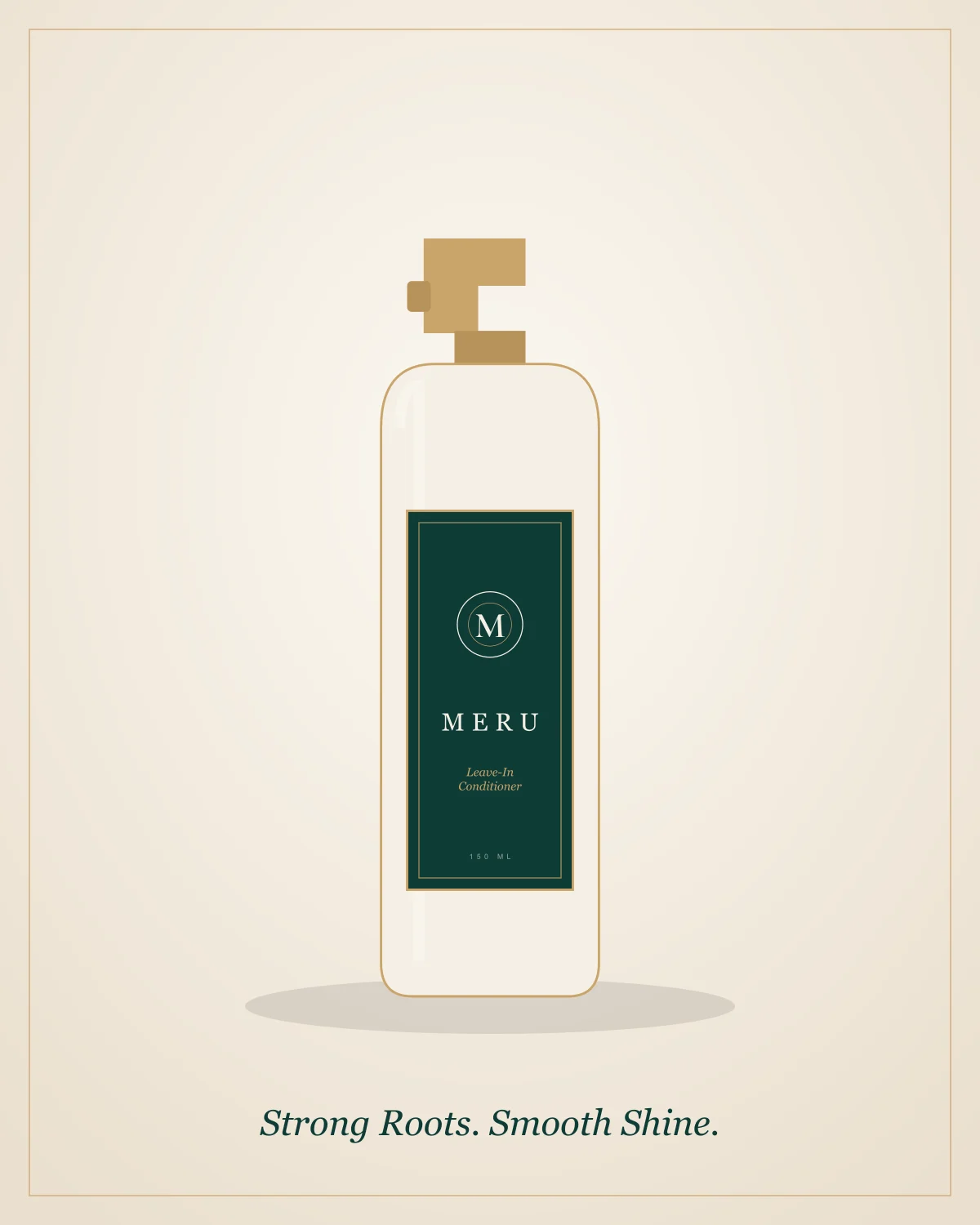
- Use leave-in conditioner after every wash. It is the best defence against static and roughness.
- Smooth a pump of serum over dry hair before putting on a cap or shawl to reduce friction.
- Dry your hair before going out in the cold.
Dry scalp or dandruff?
Small, white, dry flakes with a tight scalp usually mean dryness, and oiling helps. Larger, oily, yellowish flakes with itching suggest dandruff, which oiling can worsen. For that, use a medicated anti-dandruff shampoo from a pharmacy or see a dermatologist.
Frequently asked questions
Why is my scalp so dry in winter?
Cold, dry air and hot showers strip natural oils from the scalp. Lukewarm water and regular oiling help.
How do I stop static in my hair?
Static means hair is too dry. Use leave-in conditioner after washing and a small amount of serum on dry hair.
Should I oil my hair more in winter?
Yes. Two to three times a week works well for most people in winter.
This guide is general hair care information, not medical advice. For sudden, patchy or persistent hair loss or scalp problems, please see a dermatologist.